Tony’s Fencing & Iron Works Explains Wood Fence Discoloration in Louisiana
Educational homeowner advisory explains why wood fences turn gray, black, or green, with maintenance tips and signs of
Press Release Disclaimer: This is a press release distributed through the XPR Media network. It has not been independently verified by our newsroom.
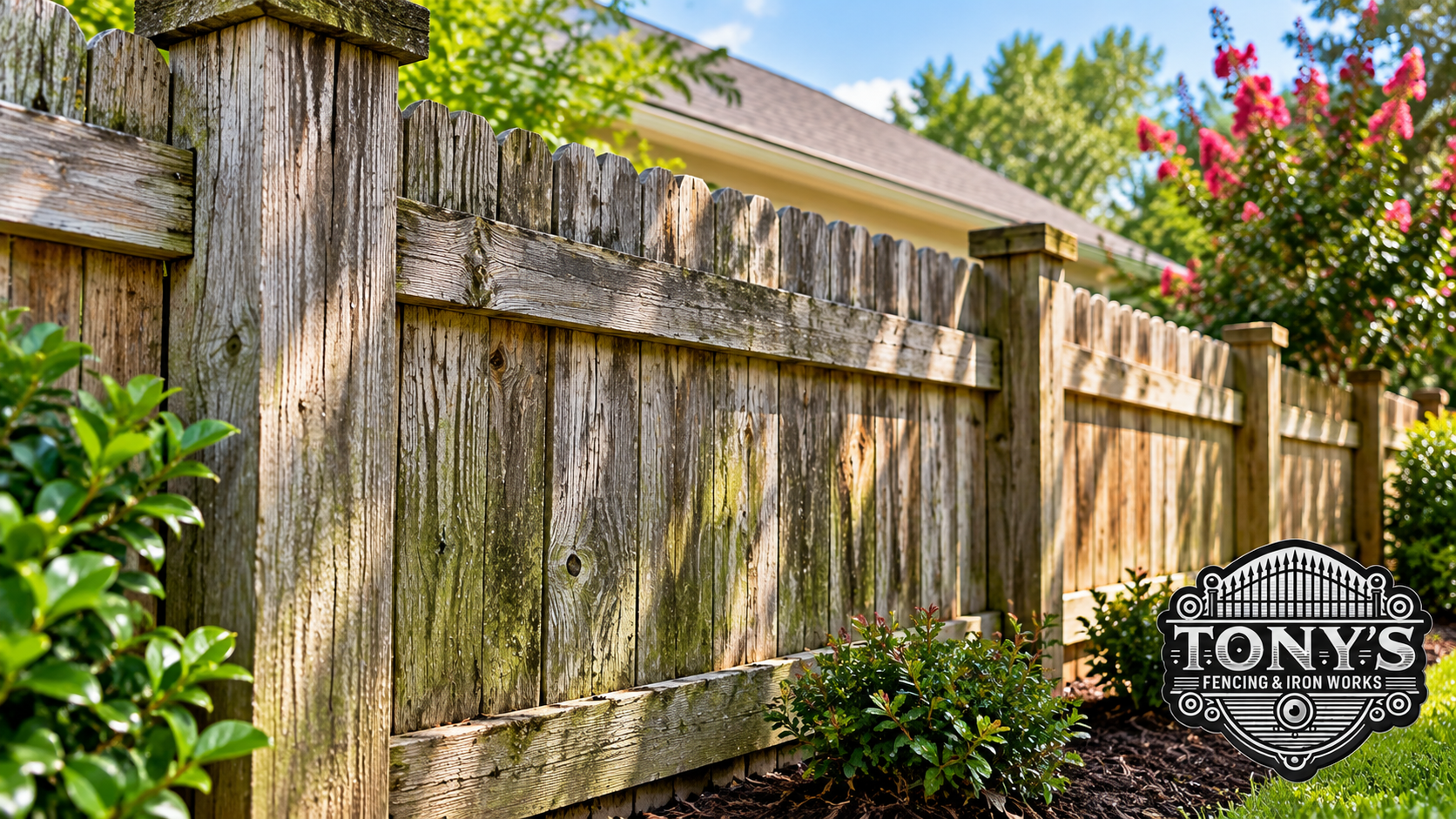

Educational homeowner advisory explains why wood fences turn gray, black, or green, with maintenance tips and signs of structural damage.
PONCHATOULA, LA, UNITED STATES, September 28, 2026 /EINPresswire.com/ — # Tony’s Fencing & Iron Works Shares Louisiana Homeowner Advisory on Wood Fence Discoloration
Tony’s Fencing & Iron Works is sharing educational information to help Southeast Louisiana homeowners understand wood fence discoloration, including the differences between natural weathering, surface staining, moisture-related growth, and structural deterioration.
The homeowner advisory addresses common questions about gray, black, and green discoloration. It also provides practical inspection methods, cleaning precautions, preventive maintenance recommendations, and guidance on recognizing conditions that may require professional attention.
Across St. Tammany and Tangipahoa Parishes, wood fences experience regular exposure to sunlight, humidity, rainfall, and changing moisture conditions. These environmental factors can alter a fence’s appearance without necessarily compromising its structural integrity. Understanding the cause of discoloration can help homeowners make informed decisions about cleaning, maintenance, repair, and replacement.
## Why Wood Fences Turn Gray
Gray discoloration is often the result of natural weathering. Sunlight gradually changes the chemical composition of exposed wood surfaces, while rainfall removes some weathered surface material. Over time, these combined effects can produce the familiar silver-gray appearance of outdoor wood. Both pine and cedar fences can experience this process.
However, weathering does not occur uniformly. Boards receiving direct sunlight may change color faster than sections protected by trees, buildings, or other structures. The exposed side of a fence may also look different from the opposite side. Although weathering changes appearance, gray color alone does not establish that the wood has decayed. Homeowners should evaluate the fence’s physical condition before deciding whether repairs are necessary.
## What Causes Black Discoloration?
Dark spots and streaks may develop for several reasons, including accumulated dirt, mildew, naturally occurring wood extractives, and reactions involving metal fasteners. In some cases, moisture-related biological growth contributes to dark staining. Shaded areas may remain damp longer after rainfall, while vegetation and sprinkler exposure can create additional moisture conditions.
However, black discoloration does not identify a particular organism or establish that the wood is structurally unsound. Homeowners should avoid identifying a stain solely by its color. Instead, examining the surrounding conditions and the physical condition of the boards can provide useful information.
## Why Green Patches Develop
Green discoloration may indicate algae or other surface growth. These conditions can develop where moisture remains on wood for extended periods. Fence sections near dense shrubs, shaded landscaping, or irrigation systems may experience repeated wetting.
For example, one side of a privacy fence may remain green while the opposite side develops a gray appearance. Although surface growth can affect appearance, its presence does not automatically require replacing the fence. Instead, homeowners should inspect the underlying wood and investigate why the affected area remains damp.
## How to Recognize Possible Wood Decay
Color changes and structural deterioration are different concerns. A fence may look weathered while remaining structurally sound. Conversely, a fence with relatively little discoloration may have concealed damage.
Warning signs include unusually soft wood, crumbling board edges, deteriorating rails, loose connections, and unstable posts. A leaning fence section may indicate movement involving posts or their supporting soil. Similarly, a gate that suddenly drags or becomes difficult to close may indicate changes in its supporting structure.
Homeowners should not push against unstable fencing or attempt to straighten damaged posts without understanding the underlying problem. Professional evaluation may help determine whether individual components can be repaired or whether more extensive work is necessary.
## DIY Fence Inspection: Six Practical Steps
A basic visual inspection can help homeowners identify maintenance concerns before purchasing cleaning products or replacement materials.
**Step 1: Compare both sides.** Examine the sunny and shaded sides of the fence. Differences in exposure may explain uneven discoloration. Additionally, look for areas where vegetation or nearby structures limit airflow.
**Step 2: Examine the boards.** Look for splitting, crumbling edges, loose fasteners, and visible deterioration. Avoid damaging the wood during inspection. Pay particular attention to areas that remain damp after rainfall.
**Step 3: Check the rails and posts.** Observe whether rails remain securely connected and posts appear straight. Do not apply force to questionable sections. Loose connections or unexpected movement may require professional attention.
**Step 4: Inspect the fence base.** Look for accumulated leaves, mulch, and soil against the lower boards. These materials can retain moisture and contribute to prolonged wetting. Remove loose debris where practical without disturbing the fence’s foundation or surrounding drainage.
**Step 5: Observe irrigation patterns.** Check whether sprinkler heads repeatedly spray the fence. Redirecting unnecessary spray may reduce prolonged wetting. Also, look for leaking irrigation components that create consistently damp areas.
**Step 6: Document changes.** Photograph affected areas and compare them periodically. Images can help distinguish stable surface staining from developing deterioration. Homeowners should stop inspecting any section that appears unstable.
## Additional DIY Tests for Louisiana Wood Fences
Homeowners can perform several simple observations to better understand the condition of their fencing. These tests do not replace a professional structural inspection, but they can help identify possible maintenance needs.
**The water-drop test:** On a clean, dry section of previously finished wood, place a small amount of water on the surface. If the water beads up, the existing water-repellent treatment may still be functioning. If it absorbs quickly, the finish may need further evaluation. However, absorption alone does not prove that refinishing is necessary. Homeowners should also consider the finish’s age, condition, and manufacturer recommendations.
**The sprinkler test:** Observe the irrigation system during a normal watering cycle. Look for sprinkler heads that repeatedly spray fence boards, rails, or posts. Adjusting the spray pattern may reduce unnecessary moisture exposure. Additionally, inspect nearby irrigation connections for leaks that keep the ground consistently damp.
**The shade and airflow test:** Compare how quickly different sections dry after rainfall. Areas behind dense shrubs or beneath overhanging branches may remain wet longer. Trimming vegetation where appropriate can improve airflow. However, homeowners should avoid damaging trees or removing vegetation that provides necessary erosion control.
**The fence-base inspection:** Examine the bottom of the fence for accumulated leaves, mulch, and other debris. Remove loose material that traps moisture against the boards. Avoid digging around posts or changing the property’s drainage without professional guidance.
**The fastener inspection:** Look for rust-colored streaks near nails and screws. These marks may indicate corrosion or reactions involving the wood and metal. Homeowners should also identify loose connections, missing fasteners, and damaged rails. Structural repairs should be evaluated before applying a new finish.
## Safe Cleaning and Surface Preparation
Cleaning may improve the appearance of a structurally sound fence. However, inappropriate cleaning methods can damage wood. Begin by removing loose debris with a soft brush. Next, select a cleaner specifically labeled for the intended wood surface. Follow the manufacturer’s instructions, including dilution, protective equipment, and rinsing requirements.
Before treating a larger area, test the product in an inconspicuous location. Avoid applying excessive force when scrubbing weathered boards. Pressure washing also requires caution because excessive pressure can raise wood grain, remove surface fibers, and create splinters. Older boards may be particularly vulnerable to aggressive cleaning.
Chemical products should never be combined unless their manufacturers explicitly direct it. The U.S. Environmental Protection Agency does not recommend bleach as a routine mold-cleanup method. Mixing bleach with ammonia-containing cleaners can also produce dangerous fumes. Cleaning should address the actual condition of the wood rather than simply attempting to remove every visible color difference.
## Common Wood Fence Maintenance Mistakes
Several maintenance practices can unintentionally damage outdoor fencing. Excessive pressure washing can remove wood fibers and create a rough surface. Similarly, aggressive sanding may remove more material than necessary. Gentle cleaning and appropriate surface preparation are preferable starting points.
Applying stain before the wood has dried sufficiently can also interfere with finish performance. Homeowners should follow the product manufacturer’s moisture and weather requirements rather than relying on a fixed drying period.
Another common mistake is applying a new finish over dirt, deteriorated coatings, or unresolved biological growth. Proper preparation is essential for satisfactory results. Finally, cosmetic treatments should never substitute for structural repairs. Painting or staining a deteriorated board does not restore its original strength.
## When Should a Wood Fence Be Stained?
Exterior wood finishes can help manage the appearance of outdoor fencing. Pigmented finishes may reduce sunlight-related surface changes. However, finish performance depends on the product, preparation, application, and exposure.
Before staining, homeowners should inspect the existing surface. Dirt, deteriorated coatings, and moisture may interfere with proper application. Some weathered surfaces require cleaning or additional preparation. Homeowners should follow the selected manufacturer’s requirements for wood moisture, temperature, drying conditions, and application.
A finish should not be used to conceal active decay or unresolved structural problems. Addressing damaged components before applying a new coating can help homeowners make more informed maintenance decisions.
## Five Preventive Maintenance Practices
Several practical measures may reduce avoidable moisture exposure. First, trim vegetation where appropriate to improve airflow around the fence. Second, redirect sprinklers that repeatedly wet boards and posts. Third, remove trapped leaves and debris without disturbing necessary drainage or exposing post foundations.
Additionally, inspect the fence after major storms and prolonged wet weather. Look for new movement, damaged connections, or areas where water accumulates. Finally, maintain protective finishes according to their manufacturers’ recommendations.
These measures cannot eliminate natural weathering. However, they may help homeowners recognize and address developing maintenance concerns before more extensive deterioration occurs.
## A Seasonal Fence Maintenance Calendar for Louisiana
**Spring:** Inspect the fence after winter weather. Look for loose fasteners, damaged boards, and vegetation growing against the structure. Check whether irrigation adjustments are necessary before warmer weather increases watering demands.
**Summer:** Examine sections exposed to prolonged sunlight. Look for fading finishes, splitting, and changes in board appearance. Additionally, inspect shaded areas for persistent moisture and surface growth.
**Fall:** Remove accumulated leaves and debris from the fence base. Check drainage patterns and document any damage following heavy rain or tropical weather.
**Winter:** Inspect the fence after significant weather events. Look for leaning posts, loose rails, and changes in gate alignment. Plan necessary repairs before minor problems become more extensive.
## Frequently Asked Questions
**Does a gray fence need to be replaced?**
Not necessarily. Gray coloration can result from natural weathering. Replacement decisions should consider the condition of the boards, rails, posts, and connections. A structurally sound fence may only require cleaning or maintenance.
**Why is my new wood fence already changing color?**
New wood begins responding to outdoor exposure after installation. Sunlight and moisture can gradually change its appearance, particularly when the surface is unfinished. The rate of change depends on exposure, wood type, and protective treatments.
**Can cedar and pine fences both turn gray?**
Yes. Both materials can develop gray surfaces through weathering. Their appearance and rate of change may differ depending on treatment, finish, and exposure.
**Does black staining always mean mold?**
No. Dark discoloration can result from several causes, including dirt, biological growth, wood extractives, and metal-related staining. Color alone cannot establish the cause.
**What causes green discoloration?**
Algae and other surface growth may contribute to green patches, particularly in damp or shaded areas. However, visual appearance alone cannot identify the exact organism.
**Can a gray fence be stained?**
Often, yes. However, the wood must be suitable for the selected finish. Cleaning, drying, and surface preparation may be necessary. Always follow the manufacturer’s application instructions.
**Should homeowners pressure wash old fencing?**
Pressure washing can damage weathered wood when excessive pressure is used. Gentle cleaning is a reasonable starting point. Any pressure-washing procedure should follow equipment and product instructions.
**Can bleach remove fence discoloration?**
Bleach is not appropriate for every stain or surface. Homeowners should identify the problem and follow wood-cleaning product instructions rather than routinely applying household bleach.
**Why is the bottom of my fence darker?**
The lower boards may experience repeated moisture exposure from irrigation, splashing, vegetation, or accumulated debris. However, other staining mechanisms are possible.
**Can a single damaged board be replaced?**
Sometimes. If surrounding components remain sound, localized repair may be possible. The condition of the supporting rails and posts also matters.
**Why does my fence look different on each side?**
The two sides may receive different amounts of sunlight, rainfall, irrigation, and shade. Consequently, they can weather at different rates.
**How often should a fence be inspected?**
Several visual inspections each year can help homeowners identify changes. Additional checks are appropriate after major storms or noticeable structural movement.
**Does staining prevent wood from turning gray forever?**
No. Exterior finishes gradually weather and require maintenance. Their performance depends on the product and environmental exposure.
**Should a leaning fence be repaired immediately?**
A leaning section deserves prompt attention, particularly when it appears unstable. Homeowners should avoid applying force or attempting repairs without understanding the cause.
**Can surface discoloration return after cleaning?**
Yes. If moisture exposure or other contributing conditions remain unchanged, staining or biological growth may recur.
**Does a green fence mean the wood is rotten?**
Not necessarily. Surface growth and structural decay are different conditions. The underlying wood should be inspected before making a replacement decision.
## When DIY Maintenance Is Not Enough
Homeowners should seek professional evaluation when posts move unexpectedly, rails show substantial deterioration, or multiple boards become soft or unstable. A fence that leans toward a sidewalk, driveway, neighboring property, or frequently used outdoor area may present an additional safety concern.
Likewise, extensive damage involving several connected sections may require more than individual board replacement. The appropriate repair depends on the condition of the supporting structure, the materials involved, and the extent of deterioration.
For homeowners throughout Covington, Mandeville, Madisonville, Slidell, Hammond, and Ponchatoula, recognizing these differences can help determine whether routine maintenance, localized repair, or replacement is appropriate.
## Louisiana Conditions and Local Maintenance
Fence exposure varies across individual properties. In Covington and Mandeville, shaded yards may retain moisture around landscaping. In Madisonville and Slidell, drainage conditions can influence how long particular fence sections remain wet. Meanwhile, open properties around Hammond and Ponchatoula may expose long fence lines to substantial direct sunlight.
These examples do not establish that every property in a particular community experiences the same conditions. Instead, homeowners should evaluate their own yard’s sunlight, drainage, irrigation, and vegetation.
The central maintenance principle remains consistent: identify the cause of discoloration before deciding whether cleaning, finishing, repair, or replacement is appropriate.
## Additional Homeowner Information
Tony’s Fencing & Iron Works has published a related educational article addressing wood fence discoloration in Louisiana, including additional explanations and maintenance considerations.
The information is available at https://tonysfencingandiron.com/wood-fence-discoloration-louisiana/.
## About Tony’s Fencing & Iron Works
Tony’s Fencing & Iron Works provides residential and commercial fencing services throughout Southeast Louisiana. The company serves communities in St. Tammany and Tangipahoa Parishes, including Covington, Mandeville, Madisonville, Slidell, Hammond, and Ponchatoula.
Services include wood fencing, fence repair, ornamental ironwork, and other fencing solutions.
Additional information is available at https://tonysfencingandiron.com/ or by calling 985-703-0595.
Gwen M.
Designs For You
email us here
Visit us on social media:
Facebook
Legal Disclaimer:
EIN Presswire provides this news content “as is” without warranty of any kind. We do not accept any responsibility or liability
for the accuracy, content, images, videos, licenses, completeness, legality, or reliability of the information contained in this
article. If you have any complaints or copyright issues related to this article, kindly contact the author above.

Media gallery