SMJ Plumbing Highlights Common Household Items That Should Not Be Flushed
What goes down the toilet can have a big impact on the plumbing. Learn which everyday items belong in the trash
Press Release Disclaimer: This is a press release distributed through the XPR Media network. It has not been independently verified by our newsroom.
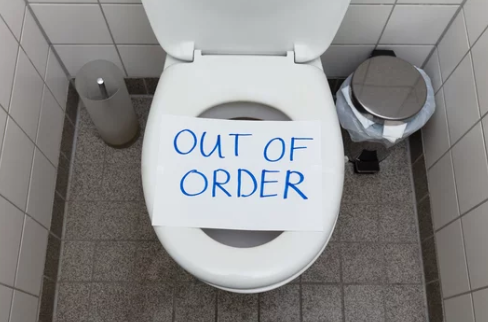

What goes down the toilet can have a big impact on the plumbing. Learn which everyday items belong in the trash instead.
SLIDELL, LA, UNITED STATES, September 28, 2026 /EINPresswire.com/ — SMJ Plumbing is highlighting common household items that can contribute to clogged toilets, blocked drain lines, and sewer backups when flushed.
Toilets and sewer lines are designed primarily to carry human waste and toilet paper. Materials that do not break down easily can remain inside drain lines, collect with other debris, and contribute to plumbing problems over time.
Paper towels are among the most common items that can create problems when flushed. Although paper towels may resemble toilet paper, the materials are manufactured differently. Toilet paper is designed to break apart in water, while paper towels are designed to maintain their structure when wet. Larger quantities can contribute to stubborn blockages.
Baby wipes and cleaning wipes can also cause drainage problems. Products labeled “flushable” may not break down as quickly as standard toilet paper. Wipes can collect inside plumbing systems, particularly when combined with other materials farther along the drain line.
Feminine hygiene products, including tampons and pads, are not designed for disposal through a toilet. These products are manufactured to absorb moisture or maintain their shape, making them unsuitable for household plumbing systems.
Smaller materials can also contribute to blockages. Cotton balls, cotton swabs, dental floss, and hair do not break down in the same manner as toilet paper. Once inside a drain line, these materials can catch on other debris and contribute to a developing obstruction.
Medications are another category that should not automatically be disposed of by flushing. Certain medications can enter wastewater systems and create environmental concerns. Local disposal programs, pharmacies, and community collection events may offer designated disposal options.
Food scraps, grease, cooking oils, and household chemicals also do not belong in a toilet. Food and grease can contribute to drainage problems, while chemicals should be handled according to applicable product disposal instructions.
Small household objects can create additional plumbing concerns, particularly in homes with young children. Toys, jewelry, and other objects can accidentally enter a toilet and become lodged in the drain. Removing an object from a plumbing system may require more extensive work than a simple flush or plunge.
Stephen Jordan, owner of SMJ Plumbing, said many toilet blockages can be traced to materials that were not intended to enter the plumbing system.
“A toilet is not a garbage can. If something does not belong in the toilet, flushing it is usually just moving the problem somewhere else. It might disappear from sight, but the plumbing still has to deal with it,” said Jordan.
Repeated flushing does not necessarily mean an unwanted item has safely passed through the plumbing system. An object can travel farther into a drain before becoming lodged in a pipe. Some blockages may also develop gradually as additional debris collects around an existing obstruction.
A simple disposal rule can help reduce these problems: human waste and toilet paper are generally the only materials intended to be flushed through a household toilet.
Keeping inappropriate materials out of the plumbing system can reduce the risk of clogs, backups, and other drainage problems. Proper disposal of household waste can also help prevent objects and materials from entering the sewer system in the first place.
For homeowners and property managers, understanding what belongs in a toilet and what belongs in a waste receptacle can be a simple part of routine plumbing maintenance.
SMJ Plumbing is based in Slidell, Louisiana, and provides plumbing services for residential and commercial properties in the surrounding area.
### About SMJ Plumbing
SMJ Plumbing is a Slidell, Louisiana-based plumbing company founded by Stephen Jordan. The company provides plumbing services involving repairs, maintenance, water heaters, drain systems, piping, leak detection, and new construction.
Lila J
SMJ Services
email us here
Legal Disclaimer:
EIN Presswire provides this news content “as is” without warranty of any kind. We do not accept any responsibility or liability
for the accuracy, content, images, videos, licenses, completeness, legality, or reliability of the information contained in this
article. If you have any complaints or copyright issues related to this article, kindly contact the author above.

Media gallery